Concrete Demolition: Methods, Tools, and Best Practices
Share this article:
Concrete is one of the toughest building materials, designed to withstand heavy loads and extreme conditions. But when a structure reaches the end of its lifespan or needs modification, concrete demolition becomes necessary. Whether removing a small section or tearing down an entire structure, the process requires specialized methods, tools, and safety measures to ensure efficiency and precision.
Concrete Demolition Basics
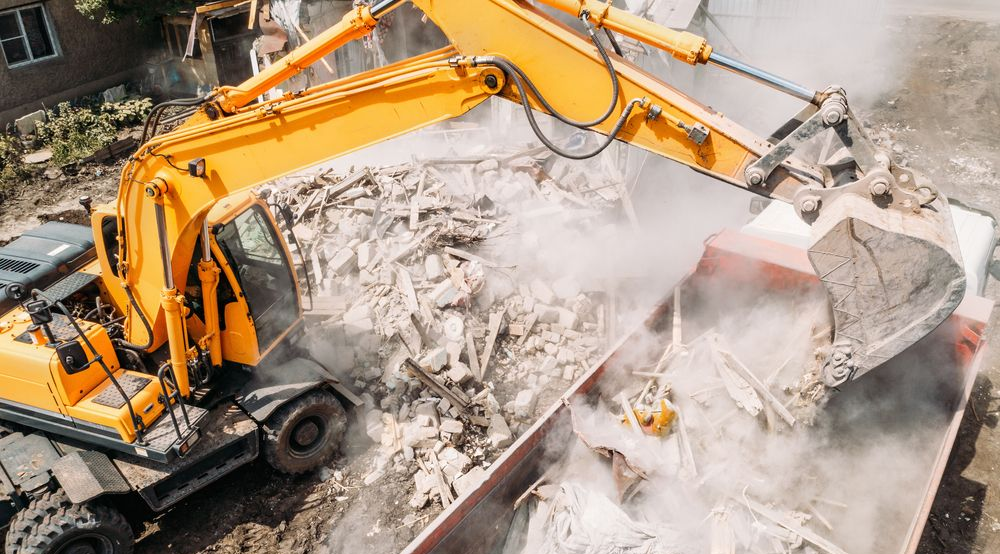
Concrete demolition is the process of breaking down and removing concrete structures, including walls, slabs, foundations, and entire buildings. Depending on the project’s scope, this can be done manually, mechanically, or with controlled demolition techniques.
The right approach depends on factors like:
- The thickness and strength of the concrete
- If reinforcement (rebar) is present
- Site conditions and surrounding structures
- Safety and environmental considerations
Choosing the best method ensures a controlled and efficient demolition while minimizing risks and disruptions.
When & Why Concrete Demolition & Removal is Needed
Concrete demolition is necessary for various reasons, from structural concerns to renovation projects. Some of the most common situations that require concrete removal include:
- Structural Damage: Cracks, foundation shifts, or weather-related deterioration can weaken concrete beyond repair.
- Renovations & Upgrades: Remodeling projects often require removing old slabs, walls, or foundations to make way for new construction.
- Code Compliance & Safety: Some older structures no longer meet modern building codes and need to be removed or replaced.
- Clearing Space for New Projects: Demolition is often required when repurposing land for new developments or infrastructure improvements.
Typical Methods of Concrete Demolition
There are several ways to break down and remove concrete, each suited for different project sizes and conditions. Some methods are manual, while others rely on heavy machinery or controlled techniques for larger-scale demolitions.
Below are the most common concrete demolition methods used in the industry.
Manual Demolition
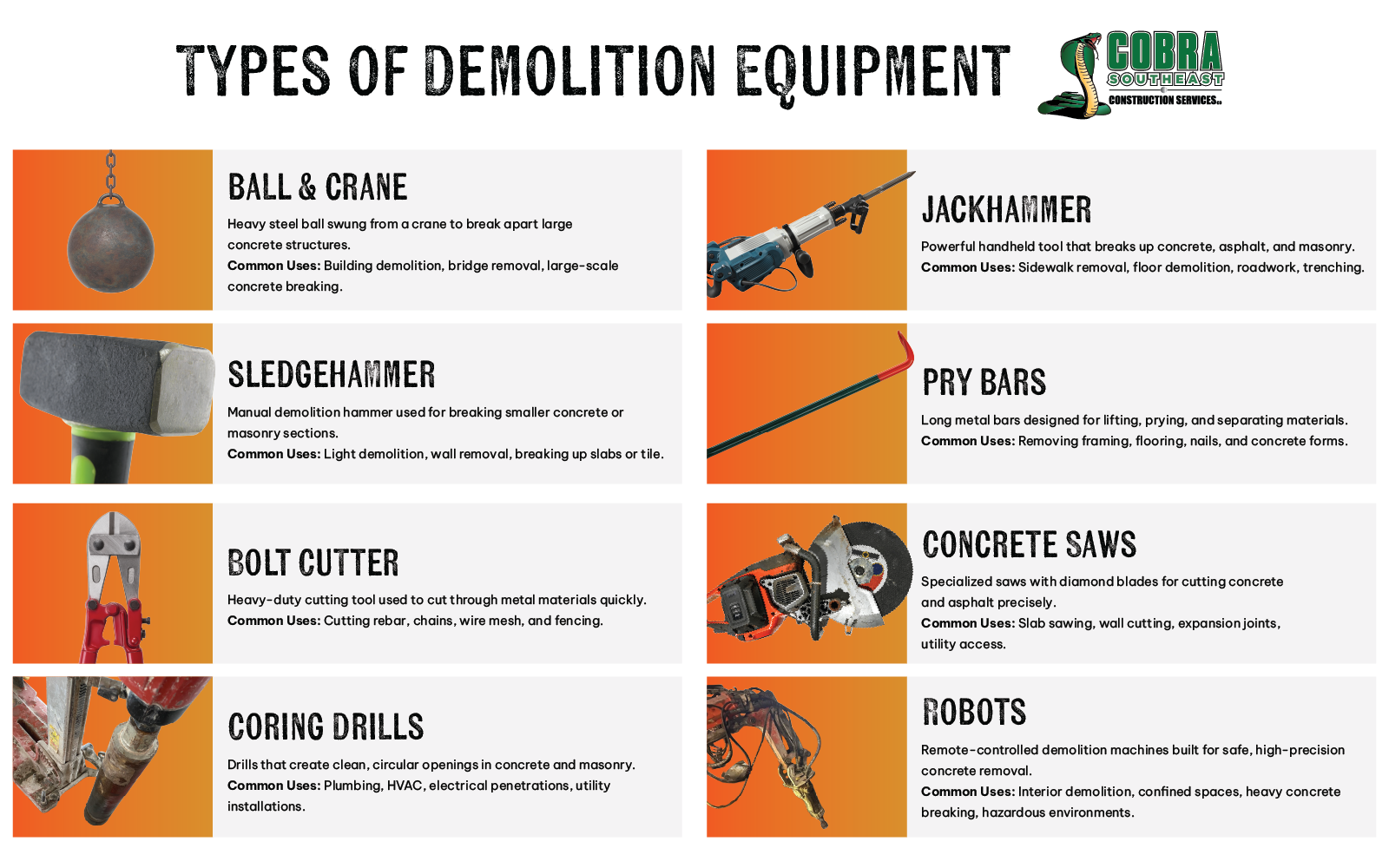
Manual demolition is a hands-on approach that involves breaking concrete with handheld tools like jackhammers, sledgehammers, and pry bars. This method is best for small-scale projects, such as removing a section of a sidewalk, driveway, or interior concrete flooring.
Robotic Demolition
Robotic demolition uses remote-controlled, high-powered machines to break down concrete efficiently and safely. These machines are equipped with hydraulic breakers, crushers, or shears, making them ideal for large-scale projects or areas where manual labor is too dangerous.
This method is widely used in confined spaces, hazardous environments, and projects requiring precision without excessive vibration or dust. Robotic demolition is also a safer alternative, reducing the risk of injury for workers.
Explosives
Controlled explosive demolition is used for large-scale concrete structures like bridges, towers, and multi-story buildings. This method involves placing explosives in strategic locations to break concrete apart in a controlled manner.
Engineers carefully plan explosive placements to make sure the structure collapses safely and efficiently. While highly effective, this method requires extensive planning, permits, and safety precautions to minimize risks to nearby structures and people.
Pressure Bursting
Pressure bursting is a controlled demolition method that breaks concrete using hydraulic or chemical expansion. This technique is ideal for projects that require minimal noise, dust, and vibration, such as demolishing concrete in occupied buildings or sensitive environments.
Hydraulic bursting involves inserting pistons into pre-drilled holes and applying force to crack and break the concrete. Chemical bursting works similarly but uses an expanding agent to create pressure from within, gradually breaking apart the material.
Ball & Crane
The ball and crane method is one of the oldest concrete demolition techniques, involving a heavy steel wrecking ball suspended from a crane. The ball is dropped or swung into the structure to break apart the concrete.
While effective for large-scale demolition projects, this method lacks precision and creates significant dust, debris, and noise. It is mainly used for tearing down large buildings where controlled precision is not a priority. Due to safety concerns and advancements in demolition technology, ball and crane demolition is less common today.
Common Tools Used to Demolish Concrete
Concrete demolition requires specialized tools, ranging from handheld equipment to powerful machines. The right tool depends on the size and scope of the project.
Jackhammer
A jackhammer is a powerful, pneumatic, or electric tool designed to break concrete into smaller pieces. It delivers rapid hammering action, making it ideal for sidewalks, driveways, and small slab removal. Jackhammers come in various sizes, from handheld models to larger, machine-operated versions for heavy-duty projects.
Sledgehammer
A sledgehammer is a simple but effective tool for breaking up thin concrete slabs or small structures. It requires manual force and is best suited for light demolition work, such as removing interior concrete flooring or small patios. While not ideal for thick or reinforced concrete, a sledgehammer is useful for precise, controlled demolition in tight spaces.
Pry Bars
Pry bars are used alongside other demolition tools to lift and remove broken concrete pieces. They help separate concrete from rebar or other materials, making cleanup easier. While not a primary demolition tool, pry bars are essential for clearing debris and improving efficiency during manual demolition.
Bolt Cutters
Bolt cutters are used to cut through rebar and wire mesh embedded in concrete. Since reinforced concrete contains steel for added strength, removing it efficiently requires heavy-duty cutters. Bolt cutters allow workers to clear away metal reinforcements quickly, making it easier to remove broken concrete sections.
Concrete Saws
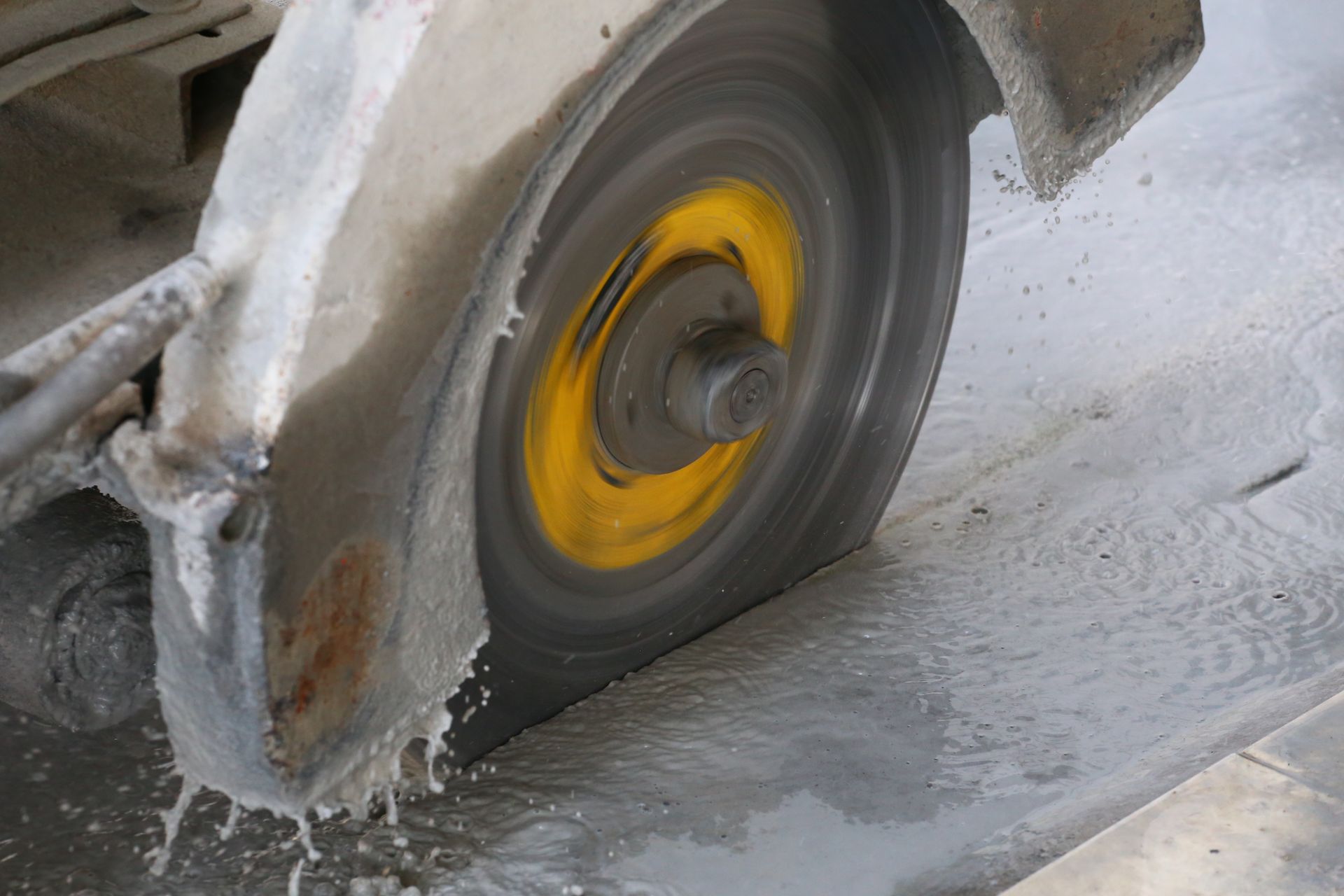
Concrete saws use diamond-tipped blades to cut through concrete with precision. They are essential for controlled demolition, allowing workers to make clean cuts in walls, slabs, and foundations before breaking them apart. Concrete saws come in handheld, walk-behind, and track-mounted versions, depending on the project’s needs.
Robots
Robotic demolition machines use hydraulic-powered tools like breakers and crushers to remove concrete efficiently. They offer precision, reduce labor risks, and are ideal for projects in confined or hazardous spaces. Robotic demolition is becoming increasingly popular for its safety and efficiency advantages.
Concrete Coring Drills
Coring drills are used to remove circular sections of concrete, often for utility installations or controlled demolition. These drills create clean, precise holes without causing unnecessary damage to surrounding structures.
Selective vs. Full Concrete Demolition
The right demolition approach depends on the project scope, site conditions, and surrounding structures. Some projects require precise removal in a limited area, while others involve complete structure removal.
Selective concrete demolition focuses on removing specific sections of concrete while protecting nearby surfaces and structural components. This method is commonly used during renovations, utility upgrades, and interior construction projects. Selective demolition is especially common in occupied buildings like hospitals, schools, restaurants, and retail spaces where limiting dust, vibration, and disruptions is important.
Full concrete demolition involves removing an entire slab, foundation, wall, or structure. It is often used for redevelopment projects, severe structural damage, or complete site clearing. These projects typically require larger equipment, debris haul-off coordination, and additional site preparation before new construction can begin.
Professional contractors evaluate access, safety requirements, reinforced concrete, and nearby utilities before choosing the best demolition approach for the project.
Types of Concrete Structures Commonly Demolished
Concrete demolition projects can involve many different types of structures across commercial, industrial, and municipal job sites. The demolition method used often depends on the structure’s size, thickness, reinforcement, and surrounding environment.
Common concrete structures that are frequently removed include:
- Concrete slabs and flooring
- Foundations and footings
- Parking decks and ramps
- Retaining walls
- Sidewalks and curbs
- Industrial equipment pads
- Bridge sections and infrastructure components
- Concrete stairwells and loading docks
- Warehouse floors and machine foundations
- Utility trenches and drainage structures
Many of these structures contain reinforced concrete, embedded utilities, or post-tension cables that require careful planning before demolition begins. Thicker concrete and heavily reinforced structures often require specialized equipment and demolition methods to complete the work safely and efficiently. Proper site evaluation helps contractors complete removal safely, efficiently, and with minimal disruption to nearby operations.
Industries That Commonly Need Concrete Demolition
Concrete demolition supports a wide range of commercial, industrial, and public sector projects. Cobra Southeast works with contractors, facility managers, municipalities, and property owners across many industries that require safe, efficient concrete removal and cutting services. These projects often involve renovations, utility upgrades, structural repairs, site redevelopment, and expansion work in active environments where precision and safety are important.
We serve industries including:
Best Practices for Concrete Demolition
Proper planning and execution are essential for safe and efficient concrete demolition. Following
best practices helps prevent accidents, reduces delays, and ensures compliance with regulations.
Proper Preparation
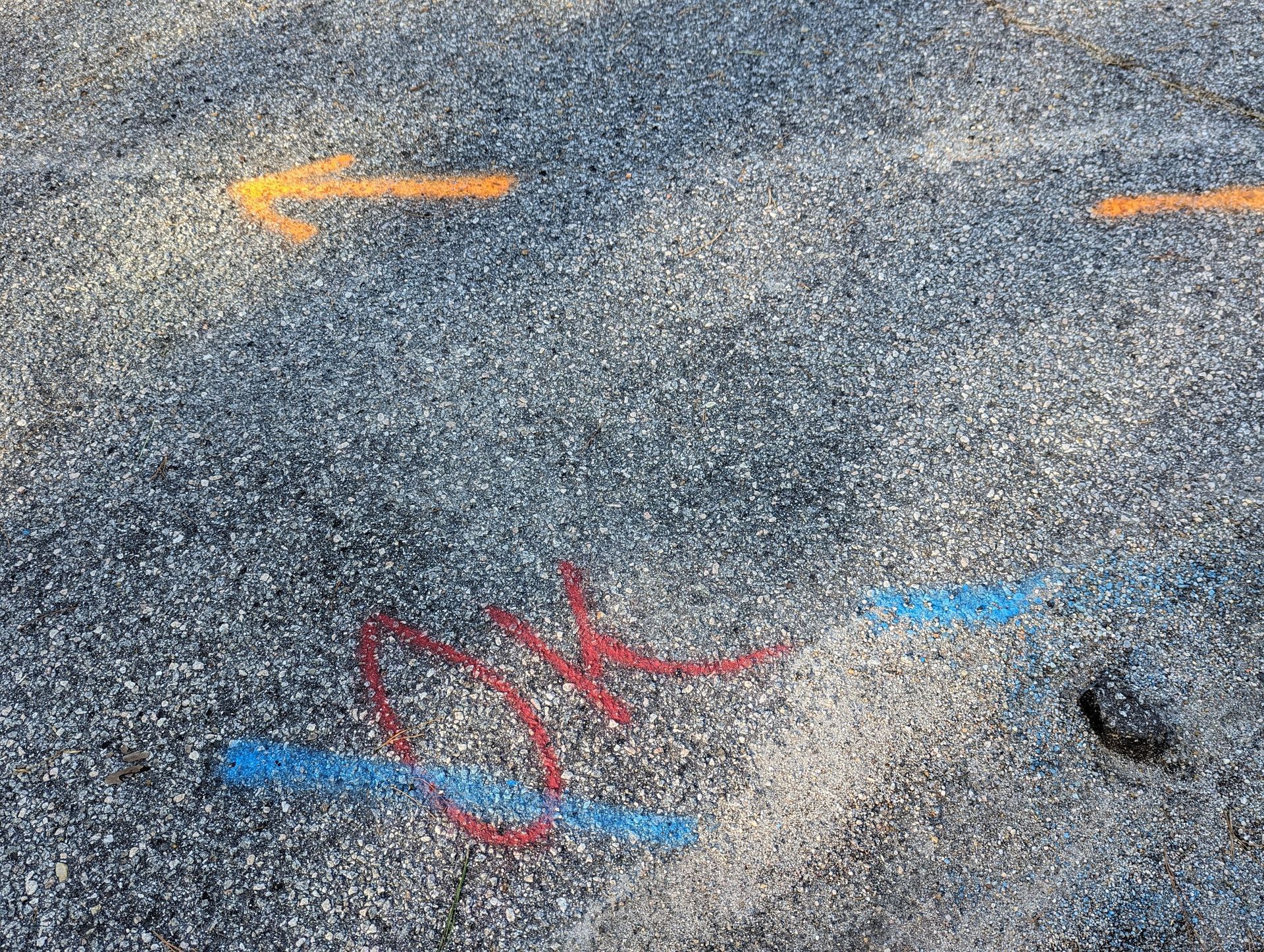
Before starting demolition, assess the site, identify structural risks, and determine the best demolition method. Checking for rebar, utility lines, and surrounding structures helps prevent unexpected issues. Ground Penetrating Radar (GPR) scanning is often used to detect hidden reinforcements and embedded objects.
Obtaining Correct Permits
Most demolition projects require permits to comply with local regulations and safety standards. Before starting work, check with local authorities to obtain the necessary approvals. Failing to secure permits can lead to fines, project delays, or legal issues.
Following Safety Procedures
Safety is a top priority in concrete demolition. Workers should wear proper protective gear, including helmets, gloves, safety glasses, and respirators when dealing with dust and debris. Clear communication, proper equipment handling, and adherence to OSHA regulations help prevent accidents on the job site.
Cleaning & Disposing
Once the demolition is complete, proper cleanup and disposal of concrete debris are important. Many demolition materials can be recycled or repurposed for future projects, reducing waste and environmental impact. Working with a professional team helps debris get handled efficiently and disposed of according to local regulations.
The Importance of Concrete Scanning Before Demolition
Before demolition begins, contractors need a clear understanding of what is inside the concrete. Hidden utilities, conduit, post-tension cables, and reinforcement can create major safety risks and costly damage if they are struck during demolition. Working with a professional concrete scanning contractor helps crews identify these hidden elements before cutting or breaking concrete.
Ground Penetrating Radar (GPR) scanning is commonly used to locate embedded objects and determine slab thickness before demolition starts. Scanning also helps contractors identify
different types of rebar and avoid damaging structural components that may need to remain intact.
Concrete scanning is especially important in occupied buildings, hospitals, schools, and infrastructure projects where accidental utility strikes can create major disruptions. By locating embedded materials before demolition begins, contractors can reduce unnecessary cutting, limit downtime, and keep surrounding areas protected throughout the project. Many contractors rely on scanning because it
saves time and money during commercial and industrial construction projects.
Concrete Demolition FAQs
How long does concrete demolition take?
Concrete demolition timelines depend on the size of the structure, concrete thickness, reinforcement, site access, and cleanup requirements. Small slab removals may take only a few hours, while larger commercial or industrial demolition projects can take several days or longer to complete safely and efficiently.
What is the best method for removing concrete?
The best approach depends on the project size, site conditions, and surrounding structures. Common demolition methods include manual demolition, robotic demolition, pressure bursting, and concrete sawing. Contractors evaluate safety requirements, reinforced concrete, dust control, and nearby utilities before selecting the right method for the job.
Can reinforced concrete be demolished safely?
Yes, reinforced concrete can be demolished safely with the proper equipment, planning, and scanning procedures. Contractors often use GPR scanning to locate rebar, post-tension cables, and embedded utilities before demolition begins. This helps reduce safety risks and prevents accidental damage during the removal process.
Is concrete recyclable?
Concrete is one of the most commonly recycled construction materials. After demolition, broken concrete can often be crushed and reused for road base, fill material, or future construction projects. Recycling concrete helps reduce landfill waste and supports more efficient material disposal practices.
Key Takeaways
- Concrete demolition projects may involve selective removal or full structure demolition, depending on the site and project scope.
- Common demolition methods include manual, robotic, explosive, and pressure-bursting techniques.
- Structures like slabs, foundations, parking decks, and industrial floors often require specialized demolition planning.
- Concrete scanning helps locate utilities, post-tension cables, and different types of rebar before demolition begins.
- Following proper safety procedures, planning, and debris disposal practices helps projects stay efficient and controlled.
Let Us Help with Your Next Concrete Demo Project!
Concrete demolition can be complex, requiring the right expertise, tools, and safety measures. At Cobra Southeast, we specialize in efficient and precise concrete demolition, using advanced equipment and expert techniques to get the job done right. Whether you need slab removal, wall demolition, or full-scale structure teardown, our team is ready to help.
Need professional concrete demolition services?
Contact Cobra Southeast today to discuss your project!